» » Luciano Maggiore, Enrico Malatesta - Talladura

Luciano Maggiore, Enrico Malatesta - Talladura mp3

Tracklist

1Untitled0:39
2Untitled2:40
3Untitled0:52
4Untitled5:14
5Untitled1:16
6Untitled2:25
7Untitled1:13
8Untitled1:00
9Untitled0:20
10Untitled0:57
11Untitled6:36
12Untitled1:58
13Untitled2:04
14Untitled1:23

Credits

  • Edited By, Music By [Realized], Performer [Objects]Enrico Malatesta
  • Edited By, Music By [Realized], Performer [Speakers, Playback Devices]Luciano Maggiore
  • Mastered ByGiuseppe Ielasi

Notes

Different sound sketches realized and edited in Cesena, January 23rd, 2014.

Edition of 100 copies.

Info

Приобретайте пластинки, компакт-диски и многое другое от Enrico Malatesta на маркетплейсе Maggiore - Talladura FLAC album RAR archive. Luciano Maggiore - Talladura WMA album RAR archive. Luciano Maggiore & Enrico Malatestas Talladura both adopts and rejects the domesticity of sound that has been slowly finding its way back into an increasing variety of musical approaches recently. Since the origins of acoustic ecology and conscious listening in the 1970s, artists like Jeph Jerman have been exploring the audio palette of the mundane to great effect for years. Luciano Maggiore - speakers, playback devices, Enrico Malatesta - objects. mMastered by Giuseppe Ielasi. number: 1. Year: 2014. Related products. Listen to online Luciano Maggiore, Enrico Malatesta - Talladura, or download mp3 tracks: download here mp3 release album free and without registration. On this page you can not listen to mp3 music free or download album or mp3 track to your PC, phone or tablet. Buy Luciano Maggiore, Enrico Malatesta - Talladura from authorized sellers. Released at: This album was released on the label Triscele Registrazioni catalog number 1. This album was released in 2014-09-05 year. Format of the release is. Release group by Luciano Maggiore & Enrico Malatesta. Artist: Luciano Maggiore & Enrico Malatesta. Type: Album. Rosso maggiore - Enrico De Zottis. Лента с персональными рекомендациями и музыкальными новинками, радио, подборки на любой вкус, удобное управление своей коллекцией. Classic recording of the sextet from Lucia di Lammermoor by Gaetano Donizetti, featuring Galli-Curci, Caruso, Minnie Egener, Giuseppe De Luca, Angelo Maggiore - speakers, playback devices Enrico Malatesta - objects. Mastered by Giuseppe Ielasi. No Longer Available. Luciano Maggiore. Luciano Maggiore Palermo 1980 lives and works in London. Active musician in the field of electroacoustic music, in recent years he has developed a strong interest in the mechanisms of sound diffusion, using speakers and several analogue and digital devices walkmans, CD players, tape recorders as princ. Скачать Luciano Maggiore, Enrico Malatesta - Talladura mp3 release album free and without registration. On this page you can listen to mp3 music free or download album or mp3 track to your PC, phone or tablet
Luciano Maggiore, Enrico Malatesta - Talladura mp3

Performer: Luciano Maggiore, Enrico Malatesta

Title: Talladura

Country: Italy

Release date: 05 Sep 2014

Label: Triscele Registrazioni

Style: Experimental

Genre: Electronic

Size MP3: 2757 mb

Rating: 4.6 / 5

Votes: 015

Record source: CDr, Album, Limited Edition

MP3 Related to Luciano Maggiore, Enrico Malatesta - Talladura
Goldendragon
Luciano Maggiore & Enrico Malatesta’s Talladura both adopts and rejects the domesticity of sound that has been slowly finding its way (back) into an increasing variety of musical approaches recently. Since the origins of acoustic ecology and conscious listening in the 1970s, artists like Jeph Jerman have been exploring the audio palette of the mundane to great effect for years. In the last decade, we’ve heard everything from the magnetic tape soap operas of Jason Lescalleet to the in-situ live recordings of Scott Foust to the heavily edited audio diaries of Yparxei Provlima Amalia. Here we find Maggiore and Malatesta mining the literal acoustic material of the household for their both acoustic and acousmatic performance. A worthwhile review of Talladura published by Nathan Thomas at Fluid Radio largely discusses the materiality presented – arguing that the undisguised use of recognizable sounds presents a strongly situational performance for the listener, where visions of the gestures required to produce the sounds are easily evoked. An accurate observation by Nathan, and one that I would like to carry a little further.

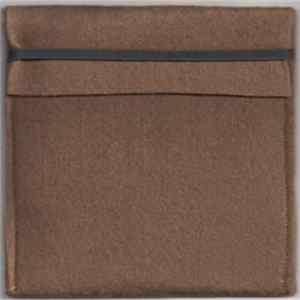
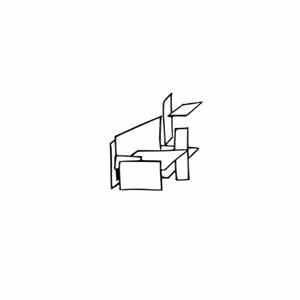
While listening to Talladura for the past couple of weeks, the Vancouver International Film Festival has been playing out – with some fortuitous timing, as it turns out. Rehashing some scenes reminiscent of modern takes on French New Wave (Lisandro Alonso’s stark Jauja among them), brought me around to a certain appreciation for the overt theatricality of this album. If, to be fully appreciated as an artistic statement, much electroacoustic music requires the suspension of the innate desire to label or identify its sound sources, then we are here asked to do precisely the opposite. While the sounds presented are virtually impossible to divorce from their ostensible functionality, that very familiarity is literally torn apart – with purposeful staginess the sounds are chopped up, repeated and edited into fragments. Continuing with the comparison, these are more akin to stills than scenes, with each fragment bearing some structural or dynamic relation to the one on either side, but little beyond a common sonic palette with any other. In fact, the cover art itself as closely epitomizes the organizational structure of the album as is possible.

The fragments do make for enjoyable listening. Numerous percussive sections of shifting periodicity lead to some excellent phasic syncopation, and the sound material itself is often dynamically engaging and occasionally humourous. However, the more interesting effect of the work is that it is constantly announcing itself as artifice. The listener is absorbed into Talladura by their questioning of why editorial decisions were made where and when they were, rather than through a recognizable narrative or sympathetic harmony. It is simultaneously rough-hewn and precise; for instance, one early section ends at the precise moment that the loud sound interrupting the acoustics can be recognized as a cough. Other percussive sections slowly fade in and out as though meant to be interpreted as drones. Even the listener’s rhetorical conceptions of what constitutes percussion, rhythm and loop are questioned as the durability of each fades in direct contrast with the others. Whether edited for brevity, accuracy of form, strength of sonic character of some other more idiosyncratic reason, each pause in the work builds an inquisitive sense of dialogue with the listener.

Without pretension, Talladura makes for engaging listening in large part because of its formal experimentation. Recommended material by two artists worth keeping track of.
Goldendragon
Luciano Maggiore & Enrico Malatesta’s Talladura both adopts and rejects the domesticity of sound that has been slowly finding its way (back) into an increasing variety of musical approaches recently. Since the origins of acoustic ecology and conscious listening in the 1970s, artists like Jeph Jerman have been exploring the audio palette of the mundane to great effect for years. In the last decade, we’ve heard everything from the magnetic tape soap operas of Jason Lescalleet to the in-situ live recordings of Scott Foust to the heavily edited audio diaries of Yparxei Provlima Amalia. Here we find Maggiore and Malatesta mining the literal acoustic material of the household for their both acoustic and acousmatic performance. A worthwhile review of Talladura published by Nathan Thomas at Fluid Radio largely discusses the materiality presented – arguing that the undisguised use of recognizable sounds presents a strongly situational performance for the listener, where visions of the gestures required to produce the sounds are easily evoked. An accurate observation by Nathan, and one that I would like to carry a little further.

While listening to Talladura for the past couple of weeks, the Vancouver International Film Festival has been playing out – with some fortuitous timing, as it turns out. Rehashing some scenes reminiscent of modern takes on French New Wave (Lisandro Alonso’s stark Jauja among them), brought me around to a certain appreciation for the overt theatricality of this album. If, to be fully appreciated as an artistic statement, much electroacoustic music requires the suspension of the innate desire to label or identify its sound sources, then we are here asked to do precisely the opposite. While the sounds presented are virtually impossible to divorce from their ostensible functionality, that very familiarity is literally torn apart – with purposeful staginess the sounds are chopped up, repeated and edited into fragments. Continuing with the comparison, these are more akin to stills than scenes, with each fragment bearing some structural or dynamic relation to the one on either side, but little beyond a common sonic palette with any other. In fact, the cover art itself as closely epitomizes the organizational structure of the album as is possible.

The fragments do make for enjoyable listening. Numerous percussive sections of shifting periodicity lead to some excellent phasic syncopation, and the sound material itself is often dynamically engaging and occasionally humourous. However, the more interesting effect of the work is that it is constantly announcing itself as artifice. The listener is absorbed into Talladura by their questioning of why editorial decisions were made where and when they were, rather than through a recognizable narrative or sympathetic harmony. It is simultaneously rough-hewn and precise; for instance, one early section ends at the precise moment that the loud sound interrupting the acoustics can be recognized as a cough. Other percussive sections slowly fade in and out as though meant to be interpreted as drones. Even the listener’s rhetorical conceptions of what constitutes percussion, rhythm and loop are questioned as the durability of each fades in direct contrast with the others. Whether edited for brevity, accuracy of form, strength of sonic character of some other more idiosyncratic reason, each pause in the work builds an inquisitive sense of dialogue with the listener.

Without pretension, Talladura makes for engaging listening in large part because of its formal experimentation. Recommended material by two artists worth keeping track of.